
 “Jack will only eat white food, nothing else.”
“The only way I can get Simone to eat her vegetables is if I bribe her with ice cream.”
“Elia is so picky. I have to serve everything on separate plates so nothing is touching.”
These are all sentiments, or variations of, spoken by exasperated parents of finicky eaters each day in all parts of the country. The truth is, some children embrace new foods heartily while others, not so much. Being choosy about food is often a stage children go through, common when children are experimenting with control. And it is true that many children will grow out of it, at least to a manageable level.
But what is also true is that many children become choosy because of the way we introduce and consume food. And those children often remain choosy, at least to some extent, into adulthood. This means they will spend a lifetime missing out on important nutrients and food experiences. Of course, there may be a medical reason a child is a finicky eater and this deserves professional attention, but typically it is a choice they are making.
While picky eating can be a battleground, there are a few things you can do to minimize it from starting or getting out of control. Remember that each child is different and has varied preferences; celebrate progress, rather than hold out for perfection. At the same time, know that turning a child who picks at their food into a willing and eager eater is quite possible.
- From infancy, introduce a variety of food to expand your child’s palate: flavors, textures, smells, and temperatures.
- Cook together. Making something always makes it more appealing. Even better, let your child chooses what to make (out of a few healthy options you provide, of course).
- Try to avoid kid’s meals at home or restaurants. They typically have minimal nutritional value and do nothing to encourage diverse eating. Kids can and should eat what adults are eating.
- Do not avoid foods you don’t like – let your child have a chance to develop his own tastes.
- Avoid heavy snacking (including beverages) between meals to ensure your child is hungry at mealtime.
- Don’t save room for dessert; it sends the message that other food is what you have to get through to get to the good stuff. Healthy food should be the prize. Dessert should be for special occasions and moments only.
- Don’t bribe your child to eat. Their focus shifts from the food to the reward. This is a form of emotional eating; a bad habit to start.
- No cutting crusts. It’s a short-term win, but a long-term loss. Avoid food preparations that encourage being picky. Sometimes parents do this before a child even asks, starting a habit without thinking about it.
- Clean plates are over-rated. Sure, you don’t want to encourage wasting food, but forcing children to finish an item or meal teaches them to ignore their internal ‘full’ signal and potentially associate a bad memory or feeling with a specific food. Start with small portions and offer seconds.
- When serving a new food, keep your expectations small: one spear of asparagus, one shrimp, etc.
- Replace one thing at a time. For example, don’t stop baking cookies altogether, just switch to whole-wheat flour. Don’t eliminate juice; just try cranberry, peach, or mango instead of apple (100% juice, of course).
- Create balance. Include a favorite at each meal when you’re serving something new.
- Take the pressure off and introduce new foods away from the table: a whole-grain bread or cheese taste test, a “name that fruit” challenge, a French or Greek themed picnic at the park, grocery store sample challenge, etc.
- As a last resort, introduce new things in favorite ways – if you have to fry zucchini once or twice to get your child to try it, it’s ok. They’ll be less hesitant when you add it to a salad or grill it later.
- Do not, do not, do not make a face when you don’t like something. Be a good role-model.
- Trying should be for everyone in the family – consider incorporating these ‘rules’ into your routine.
- Family rule – try everything at every meal, even if it’s only one pea and even if you’ve tried it before.
- Respect preferences. If a child doesn’t want to eat more, don’t force him. He may hesitate to admit he likes something in the future if he feels pressure.
- Everybody tries. That means mom, dad, big sister – everyone.
- Trying a food item one day does not exempt anyone from trying it again another day. It often takes ten or more tries to develop a taste for something.
- Let kids not like a few things. No one likes everything. If a child clearly doesn’t like something, be okay with that.
To the parent of a choosy eater, this may seem impossible. But in actuality, most children respond to these methods. With a strong commitment to lifelong healthy nutrition and the willpower to withstand a few days of whining, you can turn your child’s eating habits around.
NOTE: If your child complains of physical symptoms after eating, doesn’t eat much of anything, is underweight, or has other potential medical symptoms related to eating, consult a physician.
 Do you remember having long extended periods of time outdoors where you invented elaborate play scenarios? Perhaps you played pirates or were part of a new made-up family. Maybe you planned adventures like building a fort or tried new skills like catching salamanders. Children benefit greatly from open-ended time where they are in their parents’ view but have some independence in solving problems and determining how the play proceeds.
 Reading to infants contributes to the development of their growing brains and gives them a good start towards a lifelong love of reading and good literature. When you read to babies, it can also help speech development as they are taking in information and beginning to learn about speech patterns. In addition, synapses connect between your infant’s neurons as you read aloud, positively affecting child development in many areas.
 From infancy, humans seem to be on a quest for independence. Babies insist on holding a bottle or picking up food themselves. Toddlers emphatically announce, “Me do it.” The preschool years are a time of burgeoning independence as children gain the intellectual, verbal, and social-emotional skills to tackle more tasks independently.
 Bringing home a new baby is an exciting and magical event for any family. Preparing your home in advance for the big day helps parents to proactively provide built in safety for the new addition to the family.
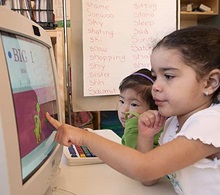 Smart phones, laptops and tablets, oh my! We love all sorts of technologies ourselves but worry about the effect of too much technology on our children. According to a study by Common Sense Media in 2013, the total
  One day you’re bringing your new little bundle of joy home from the hospital, the next day they’re off to kindergarten and the day after that they are off to college. Ok, it’s not QUITE that fast but you get the idea – time flies when you’re having fun. Because it won’t be long until your baby is heading to college it’s important that you start saving for that time now. In fact, if you haven’t started planning, preparing and saving by the time your child enters kindergarten, you’re just about five years behind the eight ball.