If you have not heard of loose parts play for children, you are not alone. However, even if you have never heard of this term, chances are you are familiar with the concept.
Loose parts was a term coined in the 1970s by architect Simon Nicholson. Nicholson believed that open-ended materials in a child’s environment could be linked to creativity and critical thinking later on in life. The fact is, long before Nicholson coined the term, loose part play was going on anywhere children played. Today, childhood experts believe loose parts play is a critical concept in educating children.
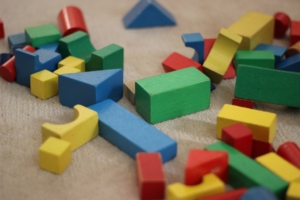
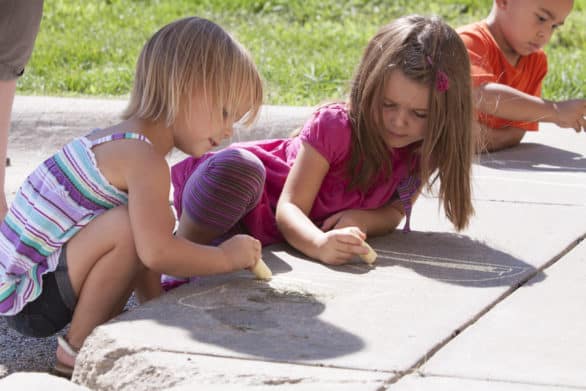
Loose parts is literally any collection of materials that can be used by children for play. These materials can be natural, for example, rocks, or they can be man-made materials such as bottle caps or cardboard boxes.
There are endless possibilities when it comes to loose parts play. Loose parts invite creativity in ways that other toys simply cannot. For example, a child can pick up a stone and make it anything they want it to be.
Who hasn’t noticed how children can spend long hours playing with simple materials like empty boxes or seashells while more sophisticated and expensive toys go by the wayside? The fact is, children prefer play that gives them the ability to use their imagination and creativity. Loose parts included in play settings, such as child care programs, stimulate creativity and enhance natural curiosity.
Loose parts offer multiple outcomes. In other words, no one outcome is guaranteed. A metal mixing bowl can be a drum, a fishbowl or a hat. Think how bored children become of a toy that does only one thing. Once a child has “mastered” a toy, they are quick to move on. Loose parts, on the other hand, have infinite possibilities so they hold a child’s interest longer.
Loose parts play is a great way to promote open-ended learning in young children and also helps children acquire the skills necessary for kindergarten. What’s best, it doesn’t require repetitive worksheets!
Many people are surprised to discover the concrete skills that loose parts play teaches children. While it is easy to see how art and movement are aided through the use of loose parts, this type of play also helps children master other subjects, including:
- Children engage in conversation and storytelling as they describe their creations. They make connections between the stories they have heard and what they are building. This encourages memory as well as vocabulary and literacy.
- Sorting, classifying, combining and separating are all learned through loose parts play. Children often begin to count and arrange parts in specific patterns. Measuring, spatial awareness and logical classification are just some of the precursors to higher math that this method of play supports.
- Physical Science. Through loose parts play, children investigate and construct ideas. They also begin to understand how things work. And while they don’t know it yet, they are discovering the concepts of motion, gravity, force, weight and more.
No matter what children learn through it, perhaps the most important aspect of loose parts play is that children enjoy it. And when children are happily engaged while playing, that is always a good thing.
Premier Academy offers affordable childcare in the Omaha/Elkhorn area. To learn more, visit us at premieracademyinc.com.
 Children of all ages benefit greatly from consistent routines. Routines give children a sense of security, stability and much more. Experts say that kids who have a familiar routine are more independent, healthier and do better in school. The best part about consistent routines? It is never too late to implement them!
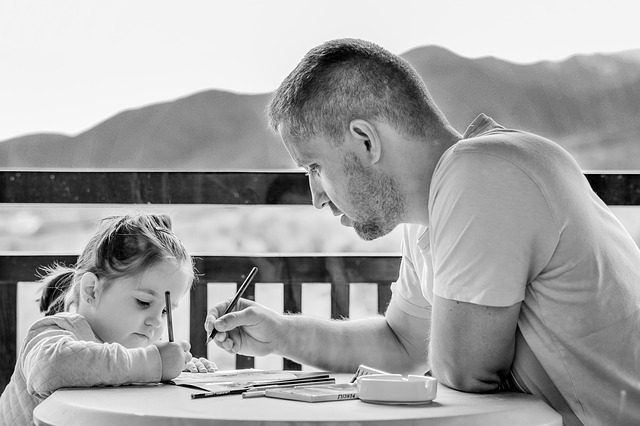 Of course, like anything else in life, it is important to remain flexible. And while having a consistent routine is important, that doesn’t mean that there is no room for flexibility. After all, what would childhood be without some spontaneity?
 Most parents would agree that it is a good idea that
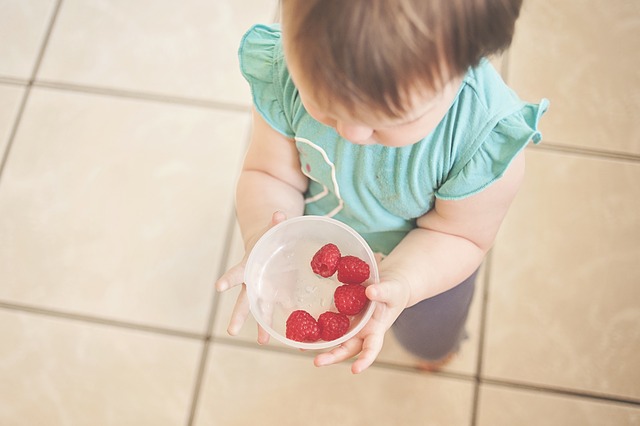
 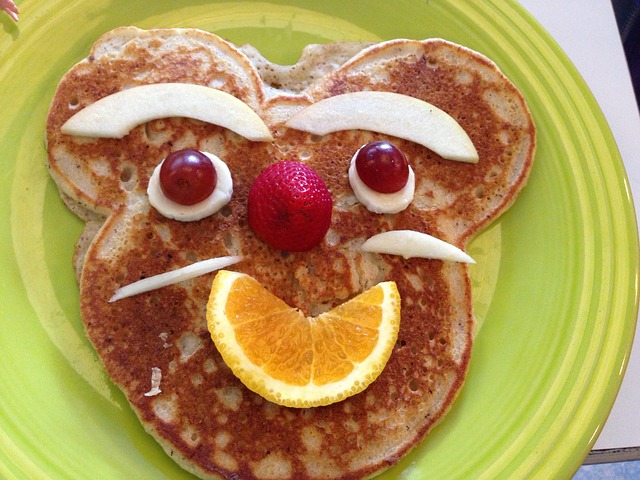 We here at Premier Academy Omaha know how hard it can be to get your little ones to eat their breakfast. We, like you, also know studies show that children who eat a healthy breakfast do better in school and tend to be healthier than children who don’t. The problem is, getting your child to eat a healthy breakfast can seem like an impossible task. If you feel as if breakfast has become a losing battle, you are not alone. Studies show that about 20 percent of all children regularly go without eating anything before school.
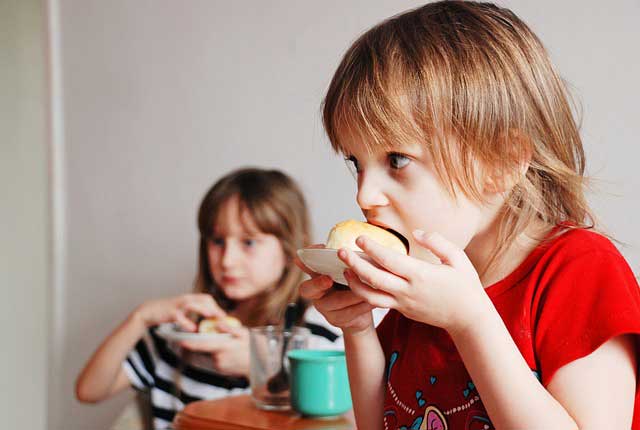 We have all heard that breakfast is the most important meal of the day. We here at Premier Academy agree. This is especially true when it comes to children.
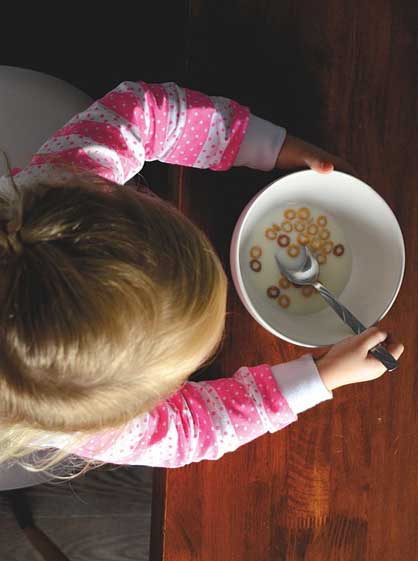 The same study cited poor time management and lack of appetite as the main reasons that kids skip this important meal. It also found an element of parental influence. Specifically, whether or not their parent eats breakfast will directly impact how likely a child is to eat breakfast.

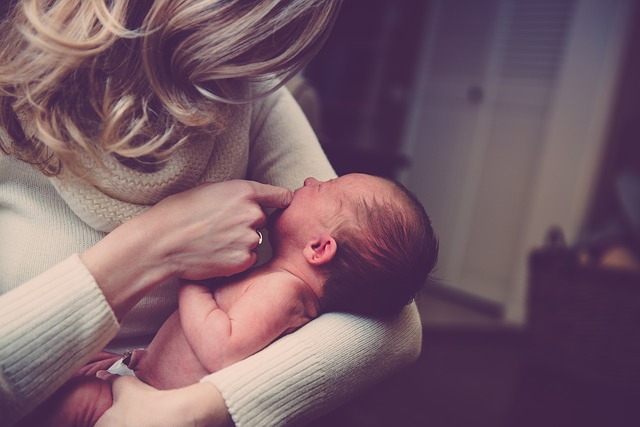
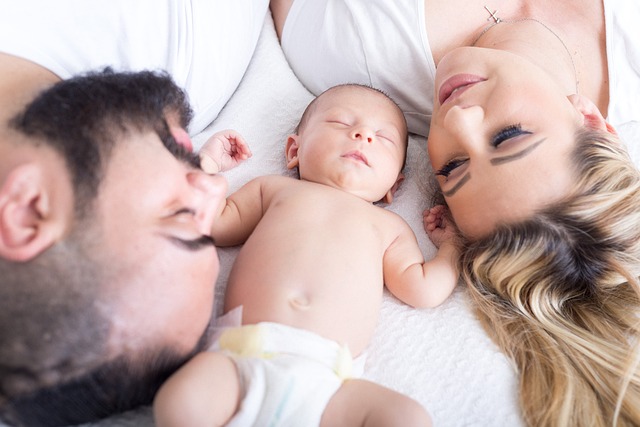 Returning to work after maternity leave is never easy. The prospect of being away from your new baby, the pressure of performing at work and lack of sleep are just a few of the obstacles you will face. However, there are ways to make the transition easier on you and your baby and it won’t be long until your entire family adjusts to its new normal.